Emily Ann Peterson, MS-CMHC, MBA
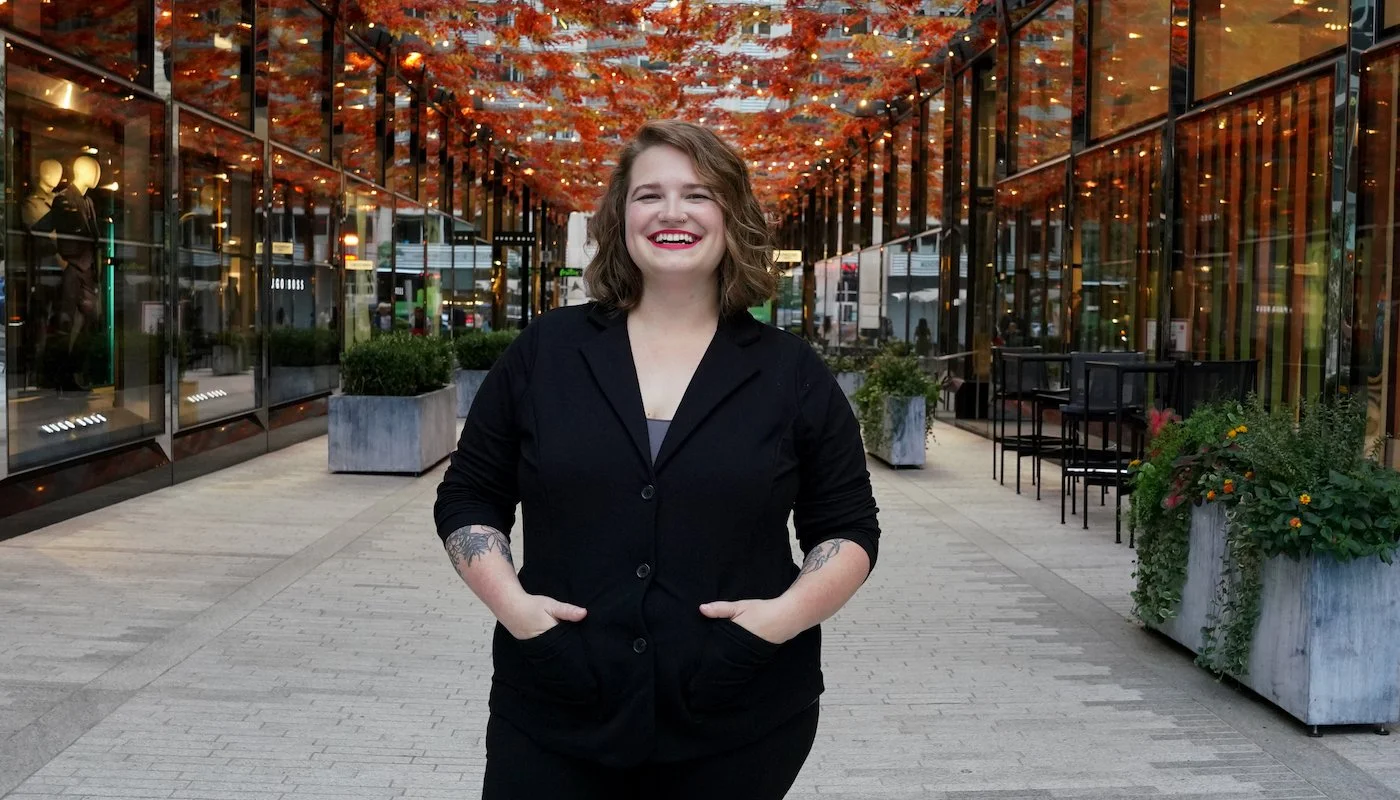
photo by Rah Foard
Hi! I’m a (Pre)Licensed Mental Health Counseling Associate, practicing under supervision in the State of Washington. I meet with adults and teens (13+), as well as couples and families, on their journey toward healing.
Therapy isn’t about “fixing” what’s broken; it can be about uncovering and cultivating the strength that already exists within you.
Who I Serve & Specialized Client Populations:
Whether you are navigating a major life transition, struggling with the weight of unfulfilled potential, or simply trying to find your way back to yourself, I am deeply committed to serving diverse communities with cultural humility, specialized training, expertise, and lived experience:
Neurodivergent Individuals: For those who identify with ADHD, AuDHD, ASD, Autism, learning differences, and cognitive difficulties, we will work with your neurology, not against it.
LGBTQIA+ & BIPOC Communities: Affirming care that honors your identity and lived experience.
High-Performance Professionals: First responders, veterans, government workers, healthcare workers, entrepreneurs, and creatives navigating high-pressure situations, chronic stress, burnout, and other workplace challenges.
Survivors of Trauma: Including those from adverse childhood experiences, high-control systems (religious trauma), or complex relational dynamics.
Non-Traditional Relationships: Kink-aware, sex-positive, body-positive, and polyamorous affirming care for relationships and families of all shapes and sizes
When Clients Seek My Support:
Life can feel heavy, chaotic, confusing, and “too much” at times. Many of my clients come to me when they are struggling with emotions and symptoms such as:
low motivation or a sense of being stuck in a rut
difficulty concentrating, making it hard to focus on work, school, relationships, or daily tasks
chronic anxiety or overwhelm that feels impossible
relationship struggles with partners, spouses, family members, friends, or colleagues
trauma responses, including PTSD and complex trauma/CPTSD, that affect your sense of safety and daily life
identity questions, particularly regarding neurodivergence (ADHD, AuDHD, ASD, Autism), LGBTQIA+ experiences, or religious/spiritual distress (e.g., high-control organizations, cults)
burnout & exhaustion from high-pressure careers, family caregiving, complex grief, external stressors, or creative pursuits
soul-levels of exhaustion from masking as “high-functioning” but internally struggling and rapidly reaching the end of your capacity
grief & loss that is complicated, multi-dimensional, unrelenting, and raw
If you recognize yourself in any of these descriptions, I invite you to reach out. You don’t have to navigate it alone.
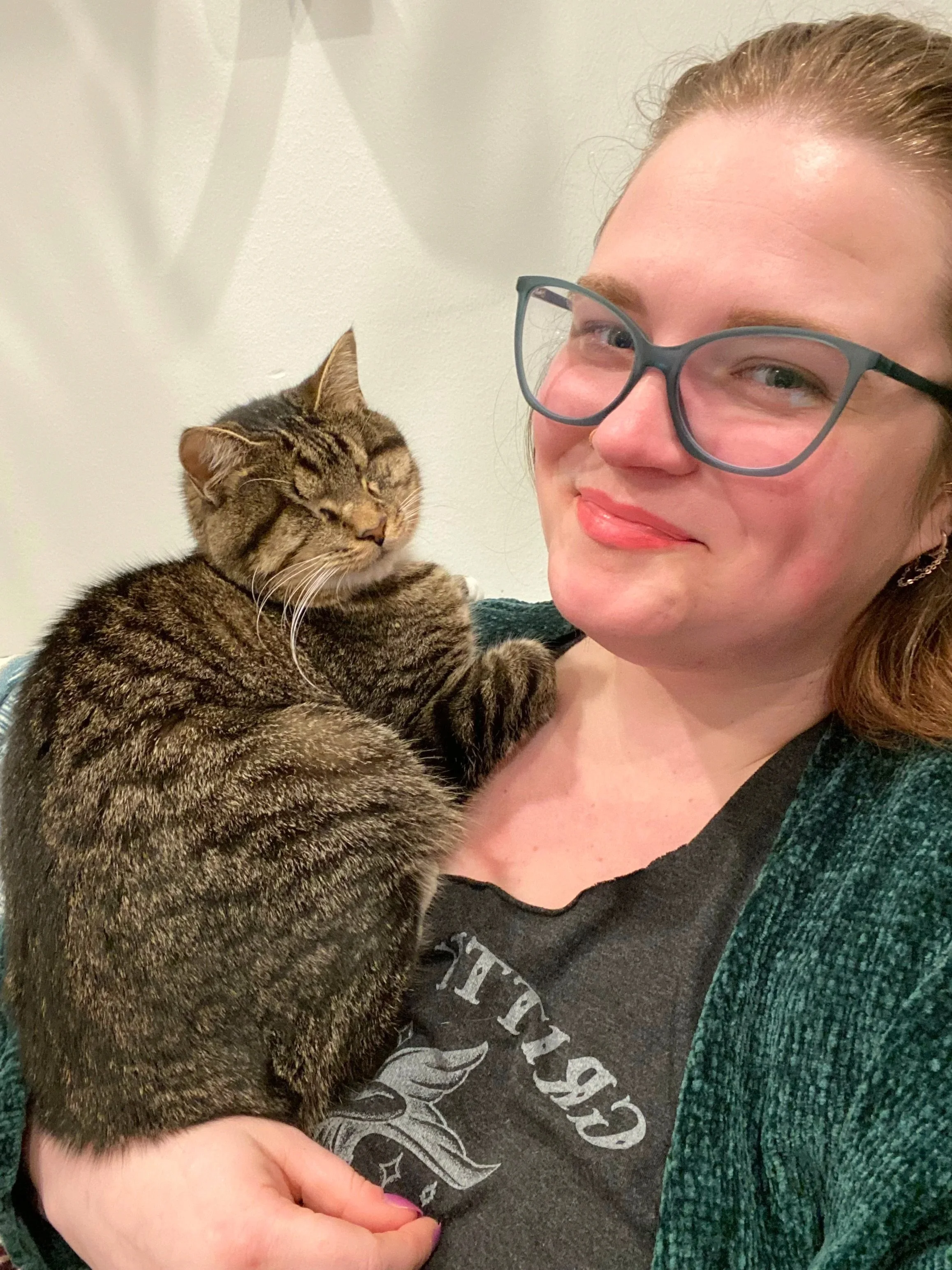
Telehealth Sessions feat. friendly cameos
This is Freddie. He’s on “Support Staff” here at Pacific Pines Counseling. Don’t let his lack of eyes fool you; he keeps watch on the clinical clock and is known to promptly check in on a client’s progress at the end of their virtual therapy sessions.
Our Sessions Together
Our work is collaborative, creative, active, and tailored. We won’t just talk about the past; we will build a roadmap for your future, so your next steps feel the way you want them to.
Safe & Confidential: Your space is a judgment-free zone where you can speak freely.
Goal-Oriented & Transparent: We move at your pace, focusing on practical skills and meaningful change from week-to-week.
Strengths-Based: I don’t just look for problems; I help you identify your existing resources and resilience to build upon them.
Flexible & Adaptable: Whether we meet in my private Tacoma office or securely online, the focus remains on you.
Core Therapeutic Modalities & Approaches
I am an integrative clinical mental health counselor. I don’t believe in a “one-size-fits-all” model for your mental health.
My practice is grounded in the belief that healing and growth happen when you and I meet exactly where you are. I enjoy learning and speaking your emotional language to blend evidence-based techniques that fit your unique biology, lived experience, and goals.
Salutogenic Approach: Focusing on your mental health creation and resilience by asking “what’s well with you?” rather than jumping to diagnosis or pathology (“what’s wrong with you?”).
Psychodynamic Therapy: Exploring unconscious patterns and how your past influences your present behavior.
Collaborative Approach: Working with you, not just for you; we build the plan together.
Our work will often include the these themes and commonly known therapy approaches:
-
For those navigating PTSD, anxiety, or overwhelm, I often utilize somatic and safety-focused approaches to help you feel secure in your body and mind.
Polyvagal-Informed Therapy: Understanding how your nervous system reacts to stress and learning to regulate safely.
Written Exposure Therapy: A gentle, structured way to process trauma without re-traumatization
Psychological First Aid (PFA): immediate stabilization strategies for acute crisis or distress
Safety Planning: collaborating to create concrete steps that bolster well-being during difficult moments
Biofeedback: using data and technology to visualize and learn control over physiological stress responses
-
When someone is seeking deeper purpose, navigating life transitions, or exploring who they are:
Existential Psychotherapy & Logotherapy: Exploring your freedom, responsibility, and search for meaning in the face of suffering.
Narrative Therapy: Rewriting the stories we tell ourselves about our lives to reclaim authorship.
(Eco)Feminist Therapy: Examining how power dynamics, gender roles, and social systems impact your well-being and connect to others.
Person-Centered Therapy: A supportive approach that meets you as the expert on your own life.
Positive Psychotherapy: Focusing on strengths, virtues, and what is working to build a fulfilling life.
-
For mastering difficult emotions, understanding inner conflicts, or building resilience:
Internal Family Systems (IFS): Compassionately meeting the different "parts" of you to heal internal conflict.
Rational Emotive Behavior Therapy (REBT): Challenging irrational beliefs to change emotional distress.
Emotion Regulation Therapy: Practical tools for understanding, accepting, and managing intense feelings.
DBT-Informed Skills: Distress tolerance, mindfulness, and interpersonal effectiveness skills.
Motivational Interviewing (MI): Gently exploring ambivalence to help you find your own motivation for change.
Acceptance & Commitment Therapy (ACT): Clarifying your values and taking action even when difficult emotions are present.
-
For navigating relationships, grief, or major life decisions:
Attachment Theory: Understanding how early bonds shape your current relationships and healing relational wounds.
Relational-Cultural Therapy: Healing through connection and understanding the power of mutual empathy.
Discernment Counseling: A specialized process for couples unsure about staying together, helping you gain clarity with compassion.
Task Model of Mourning: Guiding you through the specific tasks required to navigate grief and loss.
Gestalt Therapy: A directive approach that focuses on the present moment and how your body expresses unmet needs.
Education, Training & Lived Experience
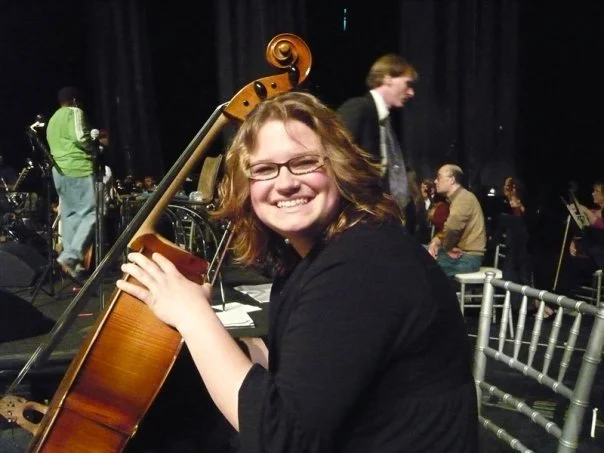

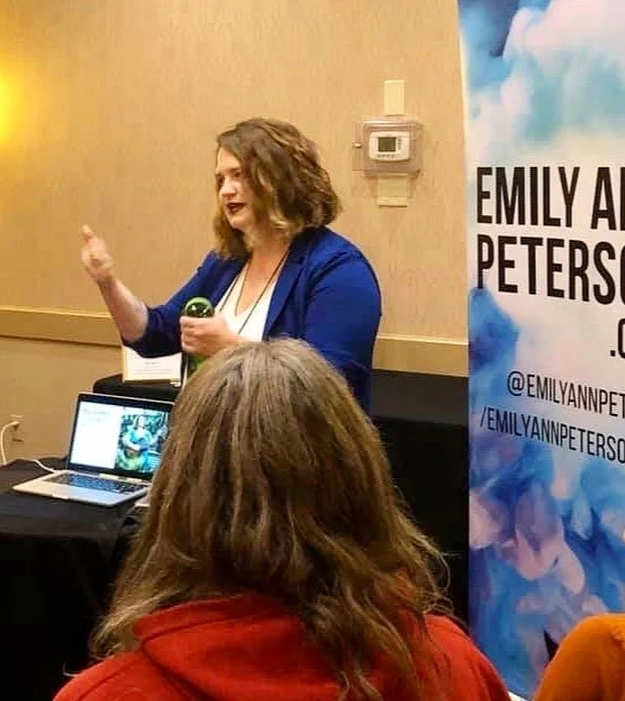

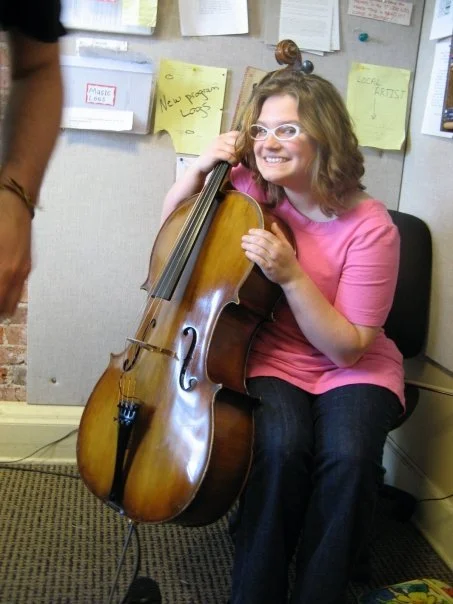

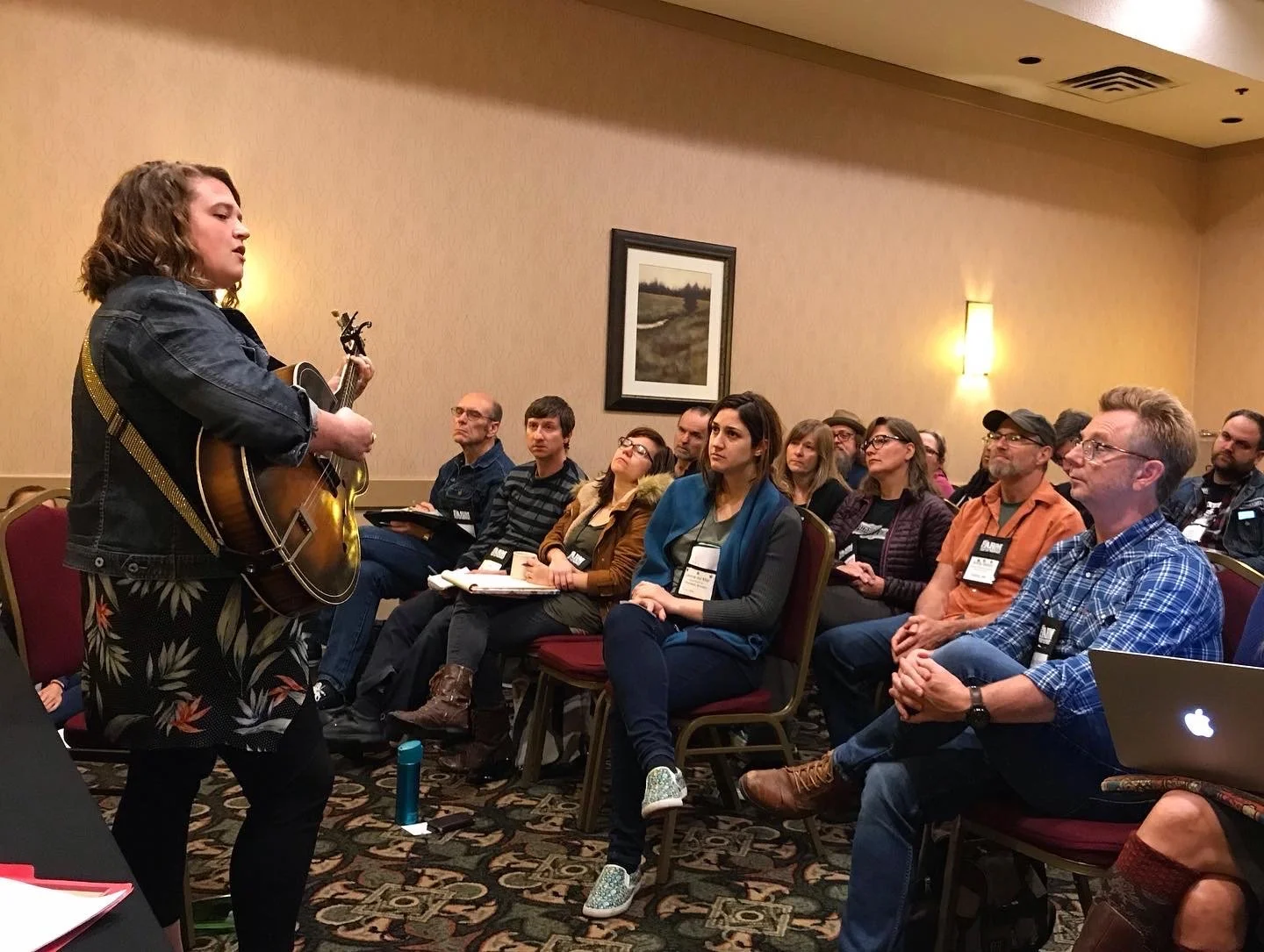
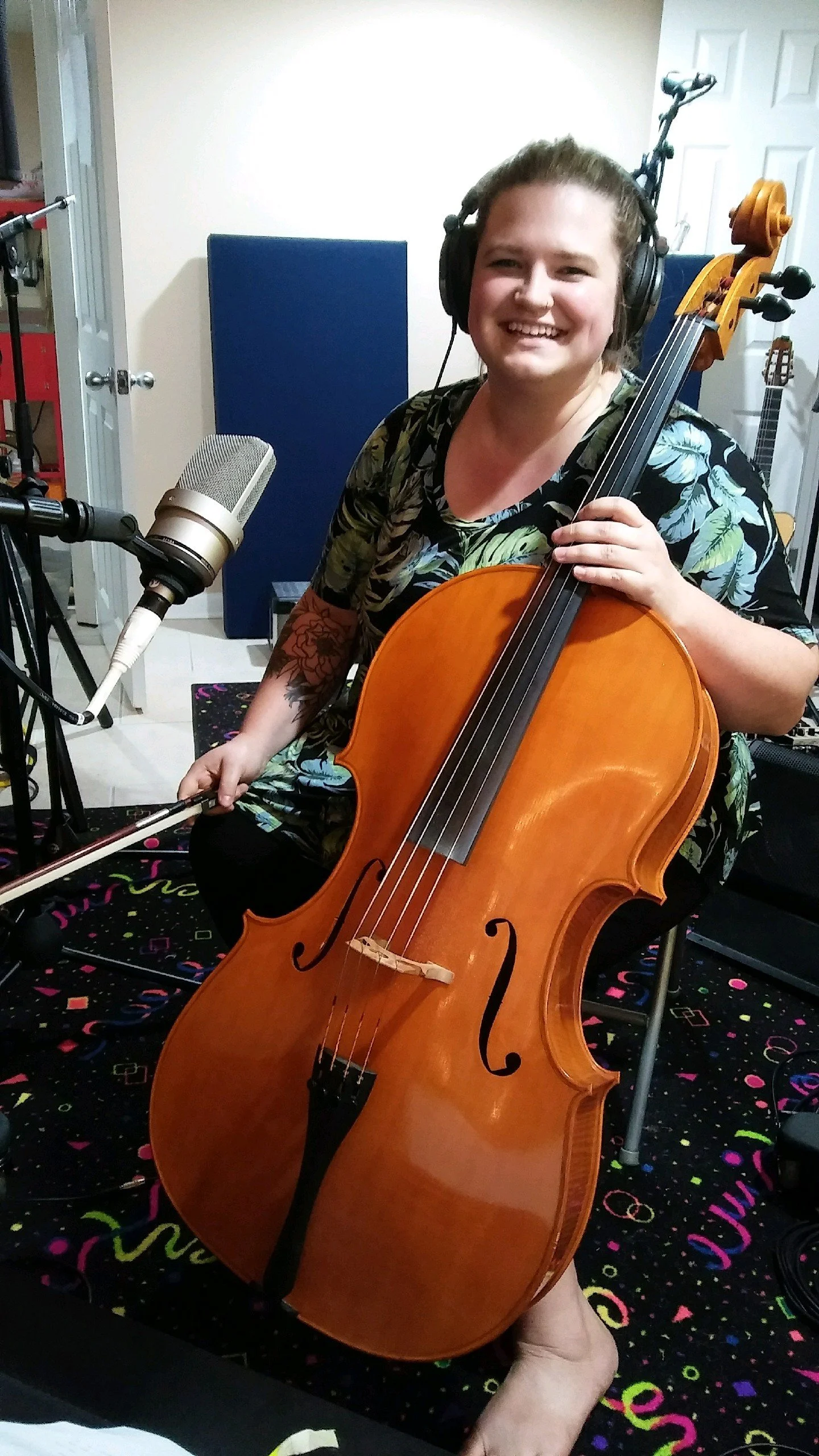
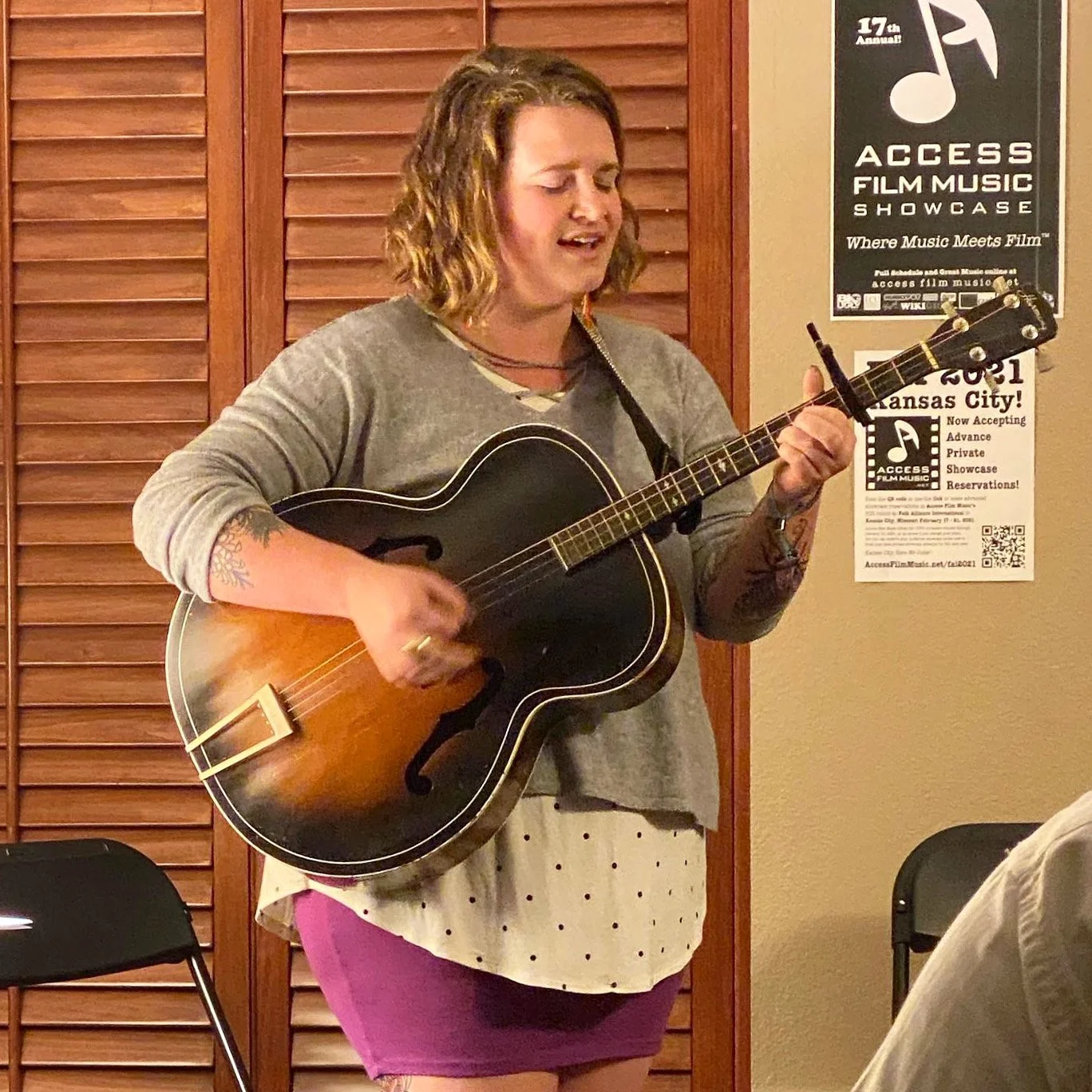
My path to clinical mental health counseling bridges the worlds of clinical science, creativity, and real-world experience. Before becoming a therapist, I was a Suzuki cello teacher to students of all ages, a recording musician, and a nationally touring singer-songwriter. After receiving a career-halting degenerative neurological diagnosis of essential tremors in my hands, I hosted an interview-based podcast, which later became the title of my book, Bare Naked Bravery: How to Be Creatively Courageous.
I soon found myself speaking at conferences and Fortune 500 companies while consulting with creatives and tech startups. This leveraged my Bachelor of Business Administration (BBA), and later I earned my Master of Business Administration (MBA). Prior to earning my Master of Science in Clinical Mental Health Counseling (MS-CMHC), I earned project management certifications, received training from the FBI in behavioral threat assessment and cybersecurity as a member of its private-sector InfraGard Alliance, and I taught data & decision modeling at the university level.
My clinical training includes certifications as a Trauma Support Specialist (CTSS) and membership in the Washington Mental Health Counselors Association (WMHCA), the American Counseling Association (ACA), WPATH (Transgender Health), and the International Cultic Studies Association (ICSA).